Sea Turtle Season On 30A – a Guide to Nesting and Community Stewardship
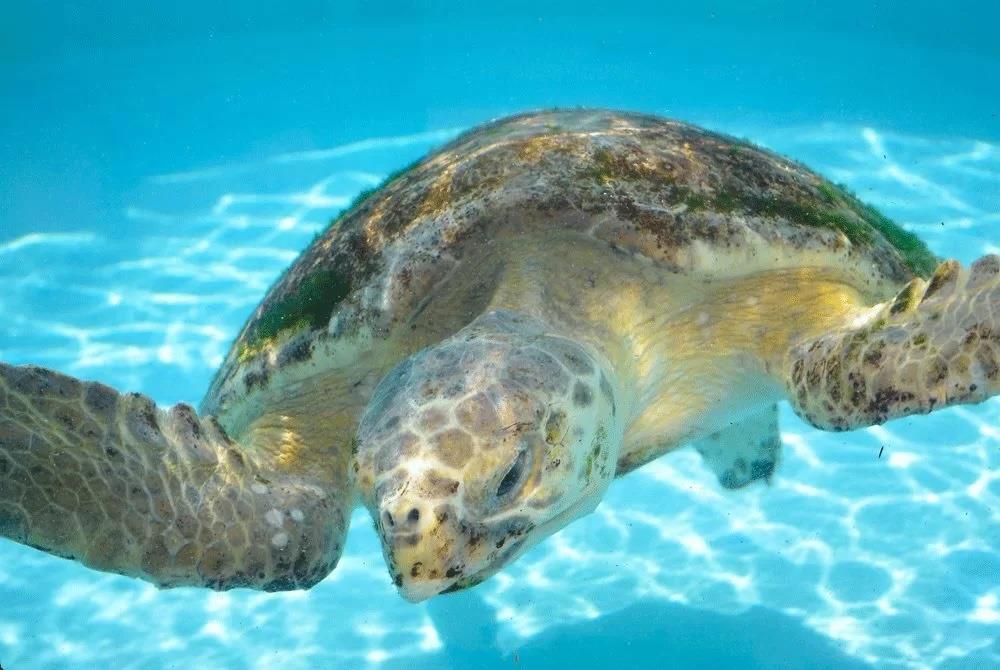
Each year, on May 1st sea turtle nesting season begins along the Gulf Coast. As one of the most remarkable natural events that occurs annually along the beaches of 30A and South Walton, the South Walton Turtle Watch and beachgoers come together to support and celebrate these endangered species.
As the Gulf warms, sea turtles return to the area's sugar‑white shores to lay their eggs, continuing a cycle that has taken place for millions of years. For visitors and residents, it’s both a privilege to witness and a reminder of how important it is to keep these beaches safe for nesting wildlife.
Understanding Sea Turtle Nesting
Sea turtle nesting occurs when adult females, most commonly loggerheads, but also green sea turtles and the occasional leatherback, come ashore under the cover of darkness to dig a nest chamber and deposit their eggs.
The Fish & Wildlife Commission notes that nesting on the Gulf Coast typically begins in April or May, slightly later than Florida’s Atlantic beaches. A single female may lay several nests in one season, with each clutch containing around 100 eggs. After roughly two months of incubation, hatchlings emerge and instinctively head toward the natural glow of the Gulf.
Why 30A Is a Vital Nesting Habitat
The 30A corridor is one of the most significant nesting zones in the Florida Panhandle. Its protected dune systems, limited high‑rise development, and strong conservation culture create safer conditions for nesting turtles compared to many other coastal regions.
Local volunteer groups—including South Walton Turtle Watch and Friends of South Walton Sea Turtles—patrol the beaches daily, mark nests, track hatch success, and provide public education throughout the season.
Common Threats to Sea Turtles
Human activity remains the biggest challenge for nesting turtles and hatchlings. According to FWC, the most harmful behaviors include:
-
Artificial lighting that pulls turtles away from the water
-
Beach equipment left overnight, creating barriers or entrapment hazards
-
Trash and food waste that attract predators
-
Approaching or disturbing nesting turtles, causing them to abandon nesting attempts
Even small disruptions can dramatically reduce the number of hatchlings that reach the Gulf.
How You Can Help During Nesting Season
Keep the Beaches Dark
Light pollution is one of the leading causes of hatchling disorientation. You can help by:
-
Turning off outdoor lights visible from the beach
-
Closing blinds or curtains at night
-
Using turtle‑friendly, long‑wavelength lighting when necessary
Give Nesting Turtles Plenty of Space
Stay at least 50 feet away from any turtle you encounter. If she pauses or changes direction, you’re too close. It is illegal to disturb nests, nesting turtles, or hatchlings.
Follow “Leave No Trace” Principles
Before leaving the beach each evening, remove all items you brought with you, including chairs, umbrellas, coolers, beach toys, tents and trash.
Fill in holes and knock down sand structures so turtles don’t become trapped.
Keep the Shoreline Clean
Dispose of all trash properly and never leave food behind. Fishing line should be placed in designated recycling tubes to prevent entanglement.
Support Local Conservation Efforts
You can make a difference by:
-
Attending educational talks
-
Donating to turtle protection groups
-
Joining beach cleanup events
-
Sharing awareness online
Local organizations:
southwaltonturtlewatch.org
friendsofswseaturtles.org
What to Do If You Encounter a Nest or Hatchlings
-
Do not touch or pick up hatchlings
-
Avoid flashlights and flash photography
-
Keep your distance and allow them to crawl naturally to the water
-
Report injured or distressed turtles to FWC’s Wildlife Alert Hotline:
1‑888‑404‑FWCC (3922)
Why Your Choices Matter
Sea turtles take 25–30 years to reach maturity. That means the hatchlings leaving 30A’s beaches today may not return to nest until decades from now. Every darkened balcony, every filled‑in hole, and every piece of trash removed increases their chance of survival.
By treating the coastline with care, you help ensure that future generations can continue to witness the magic of sea turtle nesting along 30A.
Still Look For The Perfect Spot on 30A?
If you’re still searching for the ideal home base for your 30A getaway, Sanctuary by the Sea offers the peace, beauty, and luxury that make every beach day unforgettable. Explore available condos online to find the one that fits your style and preferences or call one of our friendly local vacation specialists a call at (850) 837-1071 (9AM to 5PM CST). Remember to always book direct for the best rate guarantee. Your perfect 30A vacation starts here.
See you @ the sea!
Published on Saturday, May 2, 2026